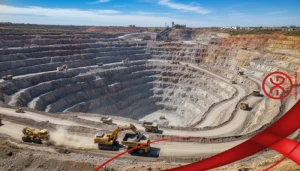
In the mining industry, the material extracted from the earth Run-of-Mine (ROM) ore is rarely pure enough to be sold directly to smelters or refiners. It contains a mix of valuable minerals and waste rock (gangue). To make mining economically viable, this raw material must be processed to increase its grade. The final output of this beneficiation process is known as concentrate.
While many factors contribute to the production of high-quality concentrate, the efficiency of the comminution circuit specifically the performance of ball mills and grinding media is the primary determinant of success. For industry leaders like Alpha Grinding Media, understanding the correlation between grinding efficiency and concentrate recovery is essential for optimizing plant operations.
What is Concentrate?
Fruit concentrate is fundamentally a liquid product derived from fresh fruit juice, where the majority of the naturally occurring water content has been removed. This process results in a dense, highly viscous syrup that is significantly smaller in volume and much more stable than the original juice.
Understanding Mineral Concentrate: The Economic Product
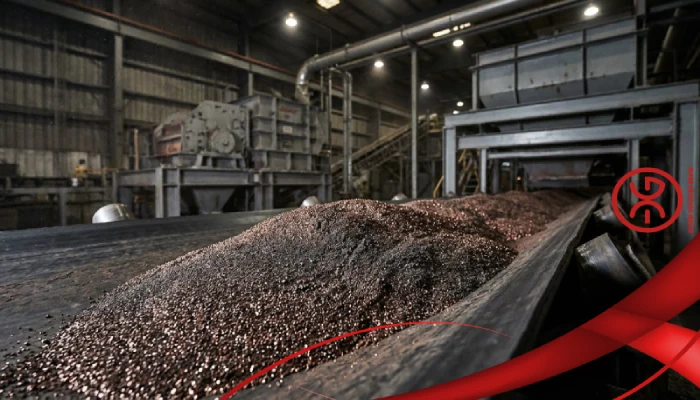
Mineral concentrate is the product of a physical or chemical separation process that removes the majority of the waste rock from the ore. It is an intermediate product—an upgraded raw material that is shipped to smelters for final processing into pure metal (like copper cathodes or steel billets).
The logic behind producing concentrate is purely economic. Transporting thousands of tons of low-grade rock containing only 0.5% copper is not feasible. However, by processing that rock into a concentrate containing 25-30% copper, the volume is drastically reduced, and the value per ton is significantly increased, making transport and smelting profitable.
The Production Workflow: From Crushing to Separation
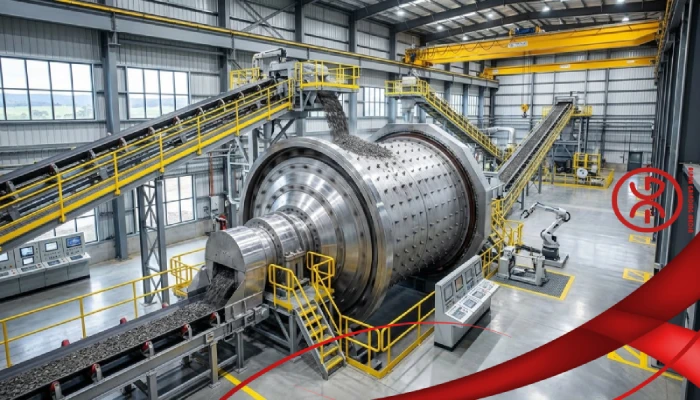
The production of concentrate follows a standard flowsheet known as Mineral Beneficiation. Although the specific techniques vary depending on the commodity (Iron, Copper, Gold, Zinc), the stages remain consistent:
- Crushing: Reducing large boulders into manageable rocks.
- Grinding (Comminution): Pulverizing rocks into a fine powder (slurry).
- Separation: Isolating valuable minerals from the waste.
- Dewatering: Removing water to create a dry, shippable powder.
Shutterstock
Among these steps, Grinding is the most energy-intensive and critical stage. It is the “make or break” point for the entire operation.
Grinding: The Heart of Concentrate Production
Why is grinding so important? The answer lies in the concept of the Degree of Liberation.
In an ore body, the valuable mineral particles are physically attached to or embedded within the waste rock. If the ore is not ground fine enough, the valuable mineral remains “locked” inside the gangue. If you try to float or separate a locked particle, it will likely end up in the tailings dam, resulting in lost revenue.
The Role of Ball Mills
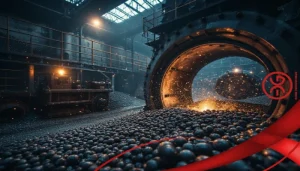
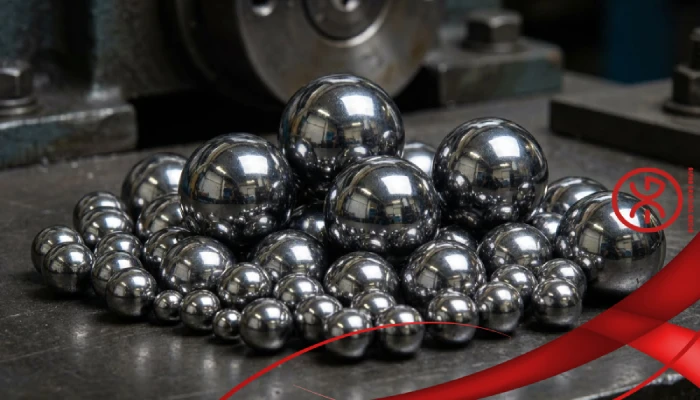
To achieve liberation, the crushed ore is fed into tumbling mills, most commonly Ball Mills. These are large, rotating cylinders filled with steel balls—the grinding media. As the mill rotates, the balls cascade and cataract, crushing the ore via impact and attrition.
The goal is to grind the ore to a specific target size (often measured as P80, e.g., 80% passing 75 microns). This target size is the “sweet spot” where the mineral is sufficiently liberated from the waste rock but not ground so fine that it becomes difficult to process.
How Grinding Media Quality Impacts Concentrate Grade
This is where the specific expertise of brands like Alpha Grinding Media becomes vital. The steel balls inside the mill are not just generic consumables; they are precision tools that dictate the efficiency of the liberation process. The quality of the grinding media directly affects the quality and quantity of the concentrate produced in two main ways:
1. Particle Size Distribution (PSD) and Recovery
The efficiency of the separation stage (especially Froth Flotation) is highly sensitive to particle size.
- Under-grinding: If the grinding media is ineffective (due to poor hardness or shape), the ore remains too coarse. The valuable mineral remains locked, cannot be floated, and is lost to tailings.
- Over-grinding: If the grinding process is uncontrolled, it produces “slimes” (ultra-fine particles). Slimes coat valuable minerals, preventing reagents from attaching, or they consume expensive reagents unnecessarily.
High-quality grinding media ensures a consistent, optimal grind. It maintains its spherical shape for longer, providing a consistent surface area for attrition. This results in a steeper Particle Size Distribution curve, meaning more of the product falls into the optimal size range for recovery, directly boosting the grade and volume of the final concentrate.

2. Media Wear and Chemical Environment
In processes like flotation, the chemical environment of the pulp (slurry) is delicate. Low-quality grinding media that wears down quickly or unevenly releases excessive iron ions and oxidation products into the slurry. This can depress the floatability of certain minerals (like sulphides), effectively lowering the grade of the concentrate.
Premium grinding media is designed to have high wear resistance and chemical stability. By minimizing the release of iron contaminants, Alpha Grinding Media helps maintain the electrochemical balance of the pulp, ensuring that the downstream separation process works as intended.
Separation Techniques: Creating the Final Product
Once the ore is ground to the correct liberation size by the ball mill, it moves to separation. The two most common methods are:
Froth Flotation
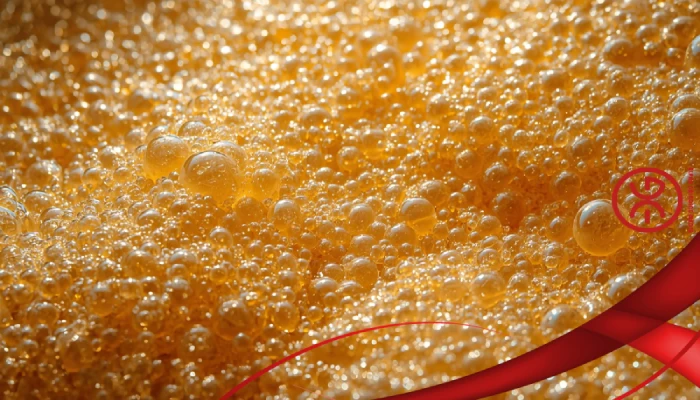
Used extensively for sulphide ores (Copper, Zinc, Lead). The slurry is mixed with reagents that make the valuable minerals hydrophobic (water-repelling). Air bubbles are introduced, and the mineral particles attach to the bubbles, rising to the surface as a mineral-rich froth. This froth is skimmed off to become the concentrate.
Magnetic Separation
Used primarily for Iron Ore. The ground slurry is passed over magnetic drums. The magnetic iron minerals adhere to the drum, while the non-magnetic waste (silica) falls away.
Conclusion
Producing mineral concentrate is a complex engineering feat that turns raw earth into industrial value. While the separation technologies often get the spotlight, the foundation of high-quality concentrate is laid in the grinding circuit.
Without the correct Degree of Liberation achieved through efficient Ball Milling, separation is impossible. Therefore, the choice of Grinding Media is a strategic decision. Using high-performance media, such as that provided by Alpha Grinding Media, ensures consistent particle sizes, maximizes mineral liberation, and minimizes chemical contamination. In the competitive world of mining, where every percent of recovery counts, the efficiency of the grinding ball determines the profitability of the concentrate.
Frequently Asked Questions
1. What happens if the concentrate grade is too low?
If the concentrate grade is below the smelter’s specifications, the mine may face financial penalties (smelting charges) or the shipment may be rejected entirely. Low grade usually means too much waste rock (silica) is still present, often due to insufficient grinding (poor liberation).
2. How do I choose the right size of grinding media for my ball mill?
The optimal ball size depends on the feed size of the ore and the target discharge size (P80). Larger ore particles require larger balls to break them via impact. However, as the ore gets finer, smaller balls are preferred to increase the surface area for attrition grinding. A mix of sizes (recharge recipe) is often used.
3. Can grinding media affect the color or chemistry of the concentrate?
Yes. Excessive wear of steel media adds iron oxidation products to the slurry. In flotation, this can alter the surface chemistry of mineral particles, reducing their ability to attach to bubbles, which ultimately lowers the recovery rate and the grade of the concentrate.
4. What is the difference between "crushing" and "grinding"?
Crushing is a dry process used to reduce large rocks down to gravel size (typically using jaw or cone crushers). Grinding is usually a wet process (slurry) that takes that gravel and pulverizes it into a fine powder (using ball mills or SAG mills) to liberate the minerals.