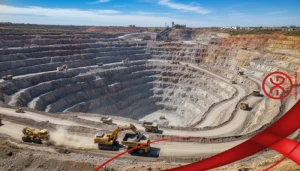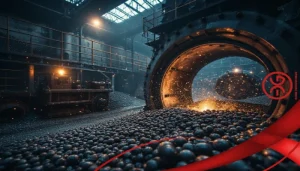
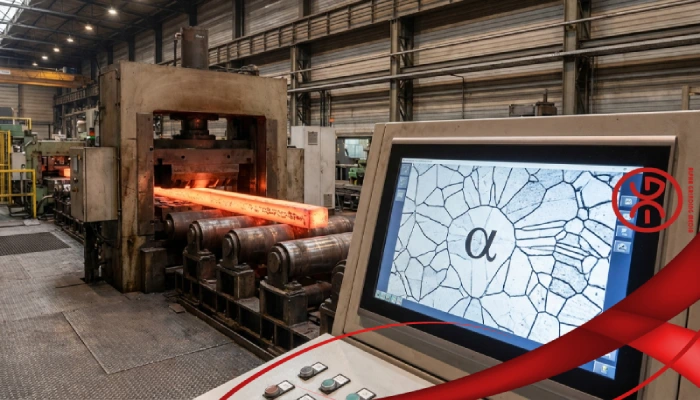
Metallurgy is the unsung architect of the modern world, serving as the indispensable bridge between raw geology and the industrial economy. While mining focuses on the extraction of earth, metallurgy provides the scientific rigor required to transform those crude materials into usable assets. Without the complex chemical and physical interventions of metallurgy, mined rock would remain little more than geological curiosities rather than the building blocks of infrastructure, technology, and energy. For industry leaders and operators, understanding this synergy is not merely academic; it is the foundation of operational profitability. At Alpha Grinding Media, we recognize that the efficiency of these metallurgical processes—specifically in the early stages of comminution—dictates the economic viability of the entire mining operation. This article analyzes the technical nuances of metallurgy, its critical role in the mining value chain, and the methodologies used to convert low-grade ore into high-purity commodities.
What is Metallurgy and Why is it Essential in Mining?
Metallurgy functions as the definitive link between the extraction of raw materials and their application in global manufacturing. At its core, it is the domain of materials science that studies the physical and chemical behavior of metallic elements, their intermetallic compounds, and their mixtures, known as alloys. In the context of mining, it is the filter through which all profitability must pass. The essential nature of metallurgy lies in its ability to unlock value; a mine does not produce metal, it produces ore—a rock containing metal mixed with worthless waste. Metallurgy applies principles of thermodynamics, kinetics, and fluid dynamics to separate the economic mineral from the gangue. Without this scientific intervention, the massive logistical efforts of mining would yield no saleable product, rendering the extraction process futile.
read more: SAG Mills: A Comprehensive Guide to Semi-Autogenous Grinding
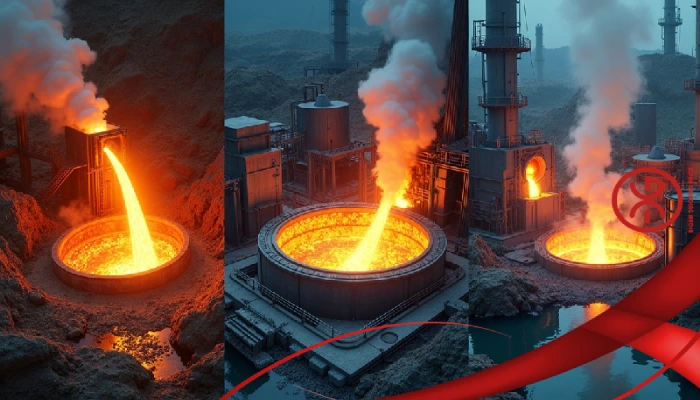
Defining Metallurgy: The Science of Metals and Their Properties
Metallurgy is the sophisticated study of the physical and chemical properties of metals, focusing on the atomic structures and bonding that determine material strength, conductivity, and reactivity in industrial applications.
The Critical Link: How Mining and Metallurgy Work Together
Mining handles the physical extraction and logistical movement of earth, while metallurgy provides the requisite chemical engineering to isolate value, creating a symbiotic relationship where neither can exist economically without the other.
read more: Ball Mill Machines: The Ultimate Guide to Grinding Efficiency
From Low-Grade Ore to High-Value Product: The Goal of Metallurgy
The primary objective is strictly economic: transforming heterogeneous, low-grade mineral deposits into homogeneous, high-purity commodities that meet stringent global standards for manufacturing and infrastructure development.
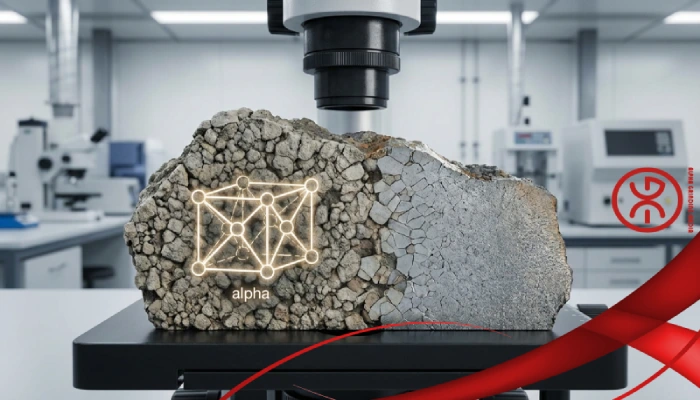
The Main Branches of Extractive Metallurgy Used in Mining
The primary objective is strictly economic: transforming heterogeneous, low-grade mineral deposits into homogeneous, high-purity commodities that meet stringent global standards for manufacturing and infrastructure development.
Key Terminology in Mining Metallurgy for Beginners
To navigate the mining industry effectively, one must master the specific lexicon that defines metallurgical performance. These terms are not just vocabulary; they are the metrics of success. When stakeholders analyze a mine’s feasibility study or quarterly report, they look for specific ratios regarding liberation and recovery. A misunderstanding of the difference between ‘ore’ and ‘gangue’ or ‘recovery’ and ‘grade’ can lead to catastrophic errors in economic modeling. The following terms represent the fundamental language used by metallurgists to communicate efficiency and asset quality.
read more: Forged Steel Grinding Balls

Ore vs. Gangue
Ore refers to rock containing sufficient metal to be mined profitably, while gangue represents the commercially worthless minerals surrounding the valuable target that must be separated and discarded.
Liberation and Comminution
Liberation is the degree to which valuable minerals are freed from the gangue matrix, achieved through comminution, the energy-intensive mechanical process of crushing and grinding the feed.
Concentrate and Tailings
Concentrate is the processed product containing a high percentage of valuable metal ready for refining, whereas tailings are the waste materials and slurry left over after the valuable fraction is removed.
Recovery Rate Explained
This critical KPI measures the percentage of valuable metal successfully extracted from the ore compared to the total amount originally present, directly indicating the efficiency of the processing plant.
Conclusion
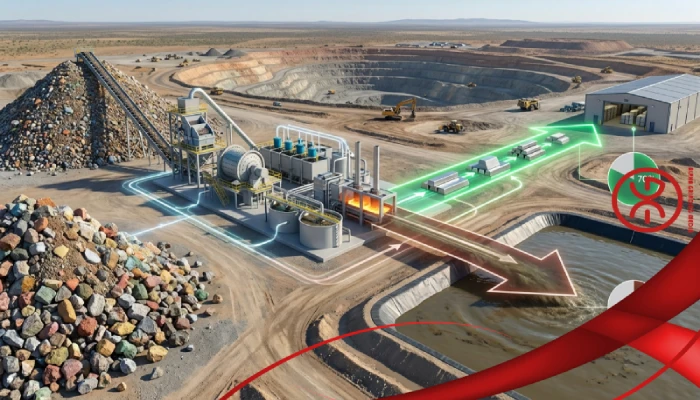
Metallurgy is not a secondary function of mining—it is its economic engine. From the moment ore is extracted from the earth, its value remains locked until metallurgical science intervenes to liberate, concentrate, and refine the metal within. Every stage of the mining value chain, from comminution to final refining, is governed by metallurgical efficiency, directly influencing recovery rates, energy consumption, and overall profitability. As ore grades decline and environmental expectations rise, metallurgy becomes even more critical, evolving toward smarter, cleaner, and more precise technologies. For mining operations aiming to remain competitive and sustainable, a deep understanding of metallurgy is no longer optional; it is the foundation upon which modern mining success is built.
FAQs
What is the primary difference between mineral processing and extractive metallurgy?
Mineral processing physically separates minerals without changing their chemistry, while extractive metallurgy chemically modifies minerals to isolate the pure metal.
Why is comminution considered the most critical economic step in metallurgy?
Comminution consumes the vast majority of a mine’s energy budget, meaning efficiency gains here directly improve the operation’s overall profit margin.
Can hydrometallurgy be used for all types of metals?
No, hydrometallurgy is specific to ores that can be dissolved by reagents, such as gold with cyanide or copper oxides with sulfuric acid.
How does Alpha Grinding Media contribute to the metallurgical process?
Alpha Grinding Media provides high-performance grinding balls that improve the efficiency of the comminution stage, ensuring optimal mineral liberation.