In the global mining and cement sectors, the grinding process is often the most energy-intensive and costly stage of production. At the heart of this process lies the grinding media. Choosing the right media is not merely a procurement task; it is a critical engineering decision that dictates the efficiency of the entire circuit. Many professionals frequently search for answers to Commonly Asked Questions About Grinding Balls to ensure they are making the most informed choices for their specific mineralogy and mill types.
Understanding the technical nuances of grinding media allows operators to balance the fine line between wear resistance and toughness. This article serves as a comprehensive resource to address these Commonly Asked Questions About Grinding Balls, providing expert insights into material science, performance metrics, and cost optimization. With the right knowledge and high-quality products from Alpha Grinding Media, achieving peak operational efficiency becomes a measurable reality.
What Exactly are Grinding Balls and Why is Material Choice Important?
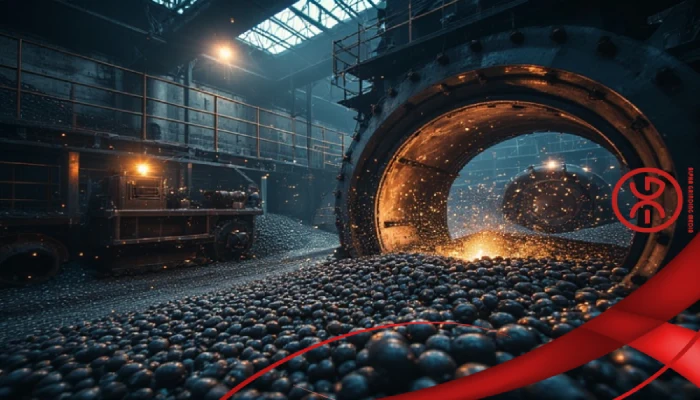
Grinding balls are spherical media used in ball mills, SAG mills, and AG mills to crush and grind ore or clinker into a fine powder. The primary goal is mineral liberation—freeing the valuable minerals from the surrounding rock. One of the Commonly Asked Questions About Grinding Balls relates to why material choice varies so significantly between operations. The answer lies in the abrasive and corrosive nature of the slurry.
If a material is too soft, the wear rate increases, leading to frequent recharging and high costs. If it is too hard but brittle, the balls may shatter upon impact, causing damage to the mill liners and decreasing grinding efficiency. Alpha Grinding Media focuses on providing the perfect balance of alloys to match the specific hardness of the ore being processed, ensuring that the media lasts longer and performs consistently.
Forged vs. Cast Grinding Balls: Which One Should You Choose?
When discussing Commonly Asked Questions About Grinding Balls, the debate between forged and cast media is inevitable. Forged steel balls are manufactured by heating a steel round bar and then forging it into a sphere using a hammer or roll-forging machine. This process creates a dense, uniform grain structure that offers superior impact toughness. Forged balls are typically preferred in high-impact environments, such as large-diameter SAG mills.
On the other hand, cast grinding balls are produced by melting iron or steel with high chromium content and pouring it into molds. High-chrome cast balls offer exceptional wear resistance in abrasive environments but can be more prone to breakage if the impact energy is too high. Selecting between them requires a deep analysis of your mill’s operating parameters, a service that experts at Alpha Grinding Media routinely provide to their global partners.
How Does Surface and Volumetric Hardness Affect Performance?
Hardness is perhaps the most discussed metric in Commonly Asked Questions About Grinding Balls. Professionals look at Rockwell C (HRC) values to gauge quality. However, surface hardness is only half the story. High-quality media must possess “volumetric hardness,” meaning the hardness should remain consistent from the surface to the core of the ball.
If a ball has a hard shell but a soft core, the wear rate will accelerate exponentially as the ball shrinks in size. This leads to a loss of grinding efficiency and an unbalanced mill load. By utilizing advanced heat treatment processes, Alpha Grinding Media ensures that their grinding media maintains a consistent HRC value throughout the entire volume, providing predictable wear patterns over the life of the media.
What is the Ideal Chemical Composition for High-Performance Grinding Media?
The chemistry of a grinding ball determines its soul. Another of the Commonly Asked Questions About Grinding Balls concerns the role of elements like Chromium, Manganese, and Carbon. Carbon provides the necessary hardness, while Chromium is essential for corrosion resistance and wear durability. Manganese is often added to improve toughness and the depth of hardening during the quenching process.
Achieving the ideal chemical composition is a science that requires precision. A slight deviation can lead to premature failure or excessive wear. Forged balls often utilize a high-carbon, low-alloy steel, whereas cast balls rely heavily on high-chromium content (up to 30%). Understanding these chemical profiles is a cornerstone of the technical support offered by Alpha Grinding Media, helping clients choose media that withstands the chemical rigors of their specific slurry.
How Can You Measure the Wear Rate of Grinding Balls?
Operational cost reduction starts with measurement. A frequent entry among Commonly Asked Questions About Grinding Balls is how to accurately calculate the wear rate. This is typically measured in grams of steel consumed per ton of ore processed (g/t). To get an accurate reading, operators must conduct “marked ball tests” or monitor the long-term addition of media versus the total throughput of the mill.
Factors that accelerate wear include low pulp density, extreme pH levels (acidic environments), and the presence of highly abrasive quartz. If you notice your consumption rates climbing, it may be time to reassess your media quality. Switching to high-performance forged balls from Alpha Grinding Media can often reduce consumption by 10% to 20%, significantly impacting the bottom line of a large-scale mining operation.
How to Determine the Correct Ball Size Distribution for Your Mill?
Using the wrong size of media is a common cause of energy waste. When tackling Commonly Asked Questions About Grinding Balls, we must emphasize that the size of the ball must be proportional to the size of the feed. If the balls are too large, they waste energy and cause excessive liner wear. If they are too small, they lack the kinetic energy to break the largest rocks in the feed.
A healthy mill load requires a balanced “size distribution,” a mix of larger balls for primary breakage and smaller balls for fine grinding. Regular “trough inspections” help determine if the current ball charge is optimal. Experts suggest that a tailored approach to size distribution is one of the fastest ways to improve the particle size distribution (PSD) of the final product.
Why is Microstructure Crucial for Preventing Premature Failure?
In the realm of material science and Commonly Asked Questions About Grinding Balls, microstructure is king. The heat treatment process must result in a fine-grained Martensitic structure. Martensite provides the hardness and wear resistance required for grinding, but it must be tempered correctly to ensure it is not too brittle.
Uneven heat treatment creates internal stresses that can cause the ball to split in half—a phenomenon known as “spalling.” This not only wastes the media but also creates sharp shards that can damage pumps and downstream equipment. This is why Alpha Grinding Media invests heavily in automated quenching and tempering lines to ensure every batch of media has a uniform, stable microstructure.
Maximizing Efficiency: Why Industry Leaders Trust Alpha Grinding Media
Quality control is the final answer to most Commonly Asked Questions About Grinding Balls. In an industry where a single day of downtime can cost hundreds of thousands of dollars, reliability is paramount. Alpha Grinding Media has built its reputation on the consistency of its forged steel balls, ensuring that every shipment meets the rigorous HRC and impact toughness standards required by modern mines.
By choosing Alpha Grinding Media, companies are not just buying steel; they are investing in a partnership that focuses on ball mill optimization. High-quality grinding media reduces the circulating load in the mill, lowers energy consumption per ton, and increases the overall availability of the processing plant. When you address the technical challenges highlighted in these Commonly Asked Questions About Grinding Balls, the choice of a premium supplier becomes clear.
Conclusion
Navigating the complexities of comminution requires a deep understanding of the tools involved. By exploring these Commonly Asked Questions About Grinding Balls, it is evident that hardness, chemical composition, and manufacturing methods are the pillars of grinding efficiency. Whether you are dealing with a high-impact SAG mill or a fine-grinding secondary ball mill, the quality of your media dictates your success.
The pursuit of lower operational costs and higher mineral recovery is a continuous journey. By staying informed and utilizing technical resources, you can ensure that your mill operates at peak performance. For those seeking to elevate their production standards, Alpha Grinding Media remains the gold standard for durability and engineering excellence in the grinding media industry.
Frequently Asked Questions
1. What causes grinding balls to break inside the mill?
Breakage is usually a result of poor heat treatment or an incorrect alloy for the impact level of the mill. One of the Commonly Asked Questions About Grinding Balls involves this issue, and the solution is often switching to a forged ball with a tempered martensitic structure to improve toughness.
2. How does the pH of the slurry affect the life of grinding balls?
In highly acidic environments (low pH), corrosion becomes a major factor in media wear. In these cases, high-chrome cast balls or specific corrosion-resistant forged alloys are recommended to prevent the steel from dissolving chemically while it grinds mechanically.
3. Is it better to overfill or underfill a ball mill?
Neither. A mill should typically be filled to about 35% to 45% of its volume. Overfilling leads to “pooling,” where the balls don’t fall with enough energy, while underfilling leads to balls hitting the liners directly, causing catastrophic wear. This is a staple among Commonly Asked Questions About Grinding Balls.
4. Can I mix different sizes of grinding balls in one charge?
Yes, and it is highly recommended. A balanced charge helps in maximizing the surface area contact with the ore. However, you should follow a specific charging ratio based on your mill’s feed size and the desired final product fineness to maintain efficiency.